A chimney may look solid from the outside, but small cracks, moisture intrusion, or damaged components can quickly turn into costly repairs or serious safety hazards. Homeowners often notice early signs like stains, odors, or drafts without realizing these are symptoms of deeper structural issues. Understanding how to identify chimney leaks or structural damage is essential to protect your home, especially if you use your fireplace regularly.
This guide explains the most common warning signs, what causes them, and when to call a professional chimney service like Instant Chimney for inspection, cleaning, repair, or restoration.
Why Chimney Leaks and Structural Damage Are So Common
Chimneys are constantly exposed to weather, heat, and natural wear. Over time, materials like mortar, concrete crowns, metal flashing, and siding begin to deteriorate. Even chimneys made of marble or electric fireplace structures can develop issues due to moisture, poor installation, or aging components.
Moisture is the number one enemy of chimneys. Once water enters, it can damage bricks, mortar joints, internal liners, and even the walls of your home. Structural damage often begins subtly, making early detection crucial.
Most Common Signs Your Chimney Has a Leak or Structural Damage
1. Water Stains or Damp Spots on Walls and Ceilings
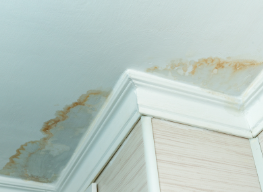 If you notice discoloration, peeling paint, or damp patches near your fireplace or chimney chase, water is likely entering through:
- A cracked chimney crown
- Damaged or missing chimney cap
- Faulty metal flashing
- Deteriorated mortar joints
These signs often appear before the leak becomes severe.
2. Musty Odors or Smoke Smells Indoors
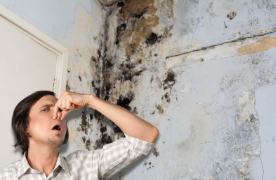 Moisture inside the chimney mixes with creosote and soot, creating strong odors. This is a clear indicator of:
- Water infiltration
- Blocked or damaged flue
- Poor ventilation
Electric fireplaces can also emit unusual smells if moisture reaches internal components.
3. Visible Cracks in the Chimney Structure
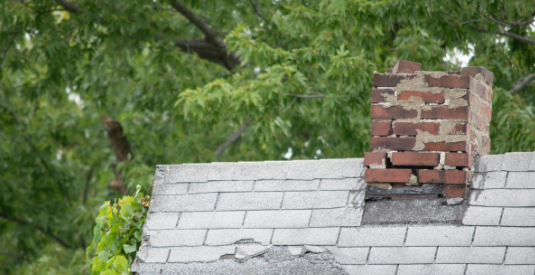
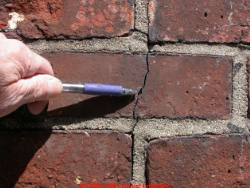 Cracks in the bricks, marble surface, or chimney chase siding are early signs of structural deterioration. These cracks allow water to penetrate deeper, accelerating damage.
Common causes include:
- Freeze–thaw cycles
- Settling foundations
- Aging mortar joints
- Heat expansion
4. Loose or Missing Mortar Joints
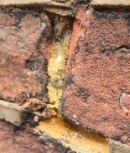
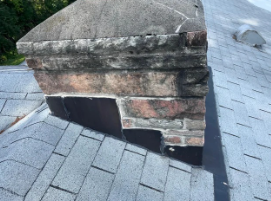
Mortar erosion is one of the most common structural issues. When mortar begins to crumble or fall out, the chimney becomes unstable and vulnerable to collapse.
This is when Chimney Tuck Pointing becomes essential to restore strength and prevent further damage.
5. Rust on the Damper or Firebox
Rust indicates moisture inside the chimney system. If your damper becomes difficult to open or close, water is likely entering through:
- A damaged chimney cap
- Cracked crown
- Faulty flashing
Rust is a serious red flag that should never be ignored.
6. Deteriorated Chimney Crown
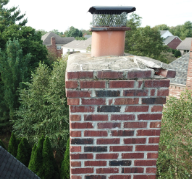
The concrete crown protects the top of the chimney from rain and snow. When it cracks, water seeps directly into the structure.
Signs include:
- Crumbling concrete
- Hairline cracks
- Pooling water on top of the chimney
A damaged crown requires immediate repair or replacement.
7. Damaged or Missing Chimney Cap
A chimney cap prevents rain, animals, and debris from entering. Without it, leaks and blockages are inevitable.
If your cap is bent, rusted, or missing, water is entering your chimney every time it rains.
8. Interior Fireplace Damage
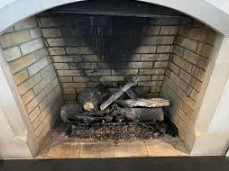 Inside the fireplace, look for:
- Cracked firebox bricks
- Loose panels
- Rusted components
- Water puddles
These signs indicate internal structural issues that require professional inspection.
What Causes Chimney Leaks and Structural Damage?
Weather Exposure
Rain, snow, and wind gradually weaken mortar, concrete, and metal components.
Poor Installation
Incorrectly installed flashing, siding, or chase covers often leads to chronic leaks.
Aging Materials
Even well‑built chimneys deteriorate over time, especially older brick or marble structures.
Lack of Maintenance
Skipping annual inspections or cleanings allows small issues to grow unnoticed.
Animal Intrusion
Birds, raccoons, and squirrels can damage caps, liners, and internal components.
How Instant Chimney Can Help
Instant Chimney provides complete chimney care to diagnose and repair leaks or structural damage, including:
- Chimney Sweep Service
- Fireplace Restoration
- Fireplace Damper Repair
- Chimney Tuck Pointing
- Chimney Metal Flashing Repair
- Chimney Hardie Plank Siding
- Chimney Concrete Crown Repair/Replacement
- Chimney Cap Replacement
- Chimney Chase Cover Installation or Restoration
Our team works with all chimney types, including marble fireplaces, electric fireplaces, and traditional masonry systems.
When to Call a Professional
You should schedule an inspection immediately if you notice:
- Persistent moisture or stains
- Cracks in the chimney or fireplace
- Rusted or stuck damper
- Strong odors
- Loose mortar or bricks
- Water dripping inside the firebox
Early intervention prevents expensive repairs and protects your home from structural damage.