A Complete Guide to Prevent Moisture Damage, Water Infiltration, and Storm‑Related Chimney Problems
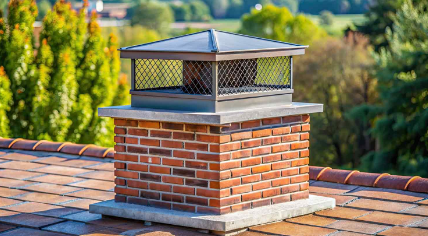
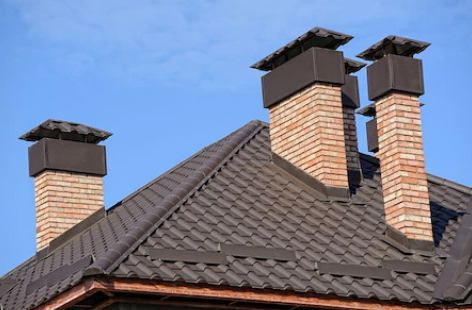
Choosing the right chimney cap is one of the simplest—and most effective—ways to protect your fireplace system from Texas weather. Between sudden thunderstorms, high humidity, strong winds, and seasonal temperature swings, Texas chimneys face unique challenges that homeowners often underestimate. At Instant Chimney, we specialize in chimney sweep services, chimney cap replacement, chimney chase cover installation, fireplace restoration, and full chimney repair. Based on what we see every day in the field, the right chimney cap can prevent thousands of dollars in damage.
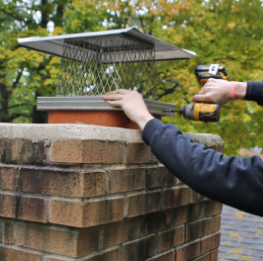 This blog breaks down the best chimney cap options for Texas homes, how they protect your chimney, and what to consider before choosing one.
Why Your Texas Home Needs a High‑Quality Chimney Cap
Texas weather is unpredictable. One week you’re dealing with heavy rain and hail, and the next you’re facing dry heat and strong winds. A chimney cap acts as the first line of defense for your chimney system.
Key Benefits of a Chimney Cap
- Prevents water infiltration that can damage mortar joints, chimney crowns, and fireboxes
- Stops animals like birds, raccoons, and squirrels from nesting inside
- Blocks debris such as leaves and branches
- Reduces downdrafts caused by strong Texas winds
- Extends the lifespan of your chimney and fireplace components
What Type of Chimney Cap Is Best for Texas Homes?
1. Stainless Steel Chimney Caps (Most Recommended)
Stainless steel is the top choice for Texas homeowners because it withstands humidity, heat, and storms without rusting.
Best for:
- Brick chimneys
- Homes near the coast
- Areas with frequent storms
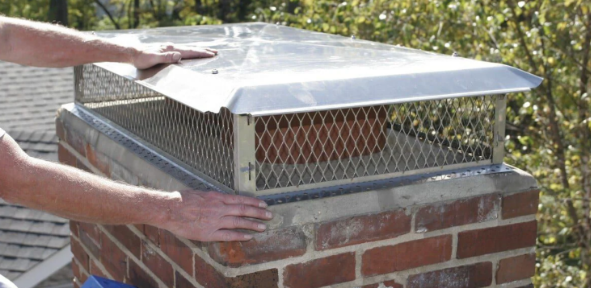
Why it works:
Stainless steel resists corrosion and provides long‑term protection, making it ideal for Texas’ fluctuating climate.
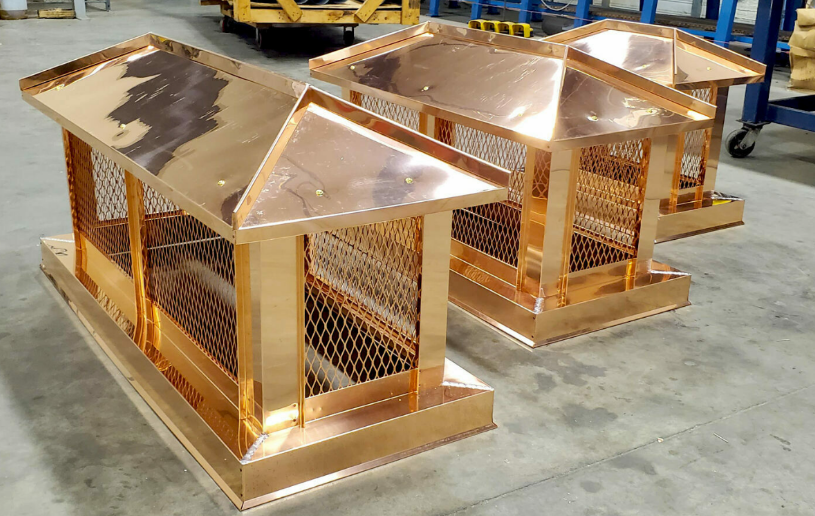
2. Copper Chimney Caps (Premium & Long‑Lasting)
Copper caps are durable, beautiful, and naturally resistant to corrosion.
Best for:
- High‑end homes
- Decorative chimneys
- Long‑term investment
Why it works:
Copper ages into a natural patina and offers exceptional weather resistance
3. Galvanized Steel Chimney Caps (Budget‑Friendly)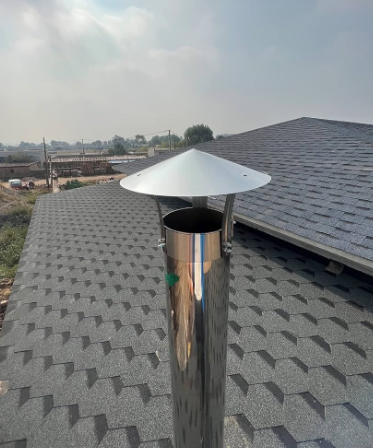
These caps are affordable but not as durable as stainless steel or copper.
Best for:
- Temporary solutions
- Rental properties
- Low‑use fireplaces
Why it works:
Galvanized steel provides basic protection but may rust faster in humid or coastal Texas regions.
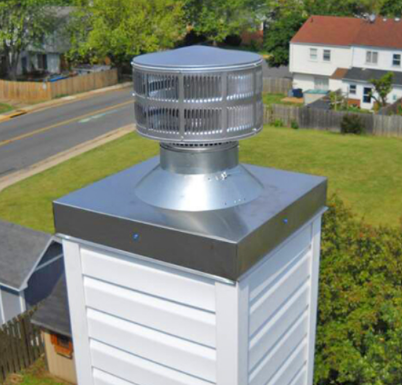 4. Chimney Chase Covers with Integrated Caps
If you have a prefab or metal chimney, a chase cover with a built‑in cap is essential.
Best for:
- Factory‑built chimneys
- Homes with Hardie Plank siding
- Chimneys with existing water damage
Why it works:
A chase cover seals the entire top of the chimney, preventing water from pooling and causing rust or rot.
How a Chimney Cap Protects Your Home From Moisture and Water Damage
1. Prevents Rainwater From Entering the Flue
Texas storms can dump large amounts of water in minutes. Without a cap, rain flows directly into the chimney, soaking the interior and causing:
- Mold growth
- Rusted dampers
- Damaged fireboxes
- Cracked flue tiles
Instant Chimney frequently performs Fireplace Damper Repair and Chimney Tuck Pointing due to water infiltration that could have been avoided with a proper cap.
 2. Reduces Wind‑Driven Downdrafts
Strong Texas winds can push smoke back into your home. A properly designed chimney cap helps stabilize airflow and prevent smoke intrusion.
3. Protects Mortar Joints and Chimney Crowns
Moisture is the #1 enemy of masonry. When water seeps into mortar joints, it causes cracking, spalling, and structural weakening.
Our services such as:
- Chimney Concrete Crown Repair
- Chimney Tuck Pointing
- Chimney Metal Flashing Repair
…are often needed because water entered through an unprotected chimney top.
4. Keeps Animals Out
Texas wildlife loves chimneys. Birds, raccoons, and squirrels often enter through uncapped chimneys, causing blockages and fire hazards.
A chimney cap with a stainless steel mesh screen prevents this completely.
How to Protect Your Chimney From Texas Storms

Beyond installing a chimney cap, here are additional steps to safeguard your chimney system.
1. Install or Repair Chimney Flashing
Flashing seals the base of the chimney where it meets the roof. Damaged flashing is one of the most common sources of roof leaks.
2. Repair or Replace the Chimney Crown
A cracked crown allows water to seep into the chimney structure. A properly sealed concrete crown prevents this.
3. Use Hardie Plank Siding for Chimney Chases
For prefab chimneys, Hardie Plank siding offers superior resistance to moisture and wind damage.
4. Schedule Annual Chimney Sweep Services
A yearly inspection and cleaning ensures your chimney remains safe and functional—especially after storm season.