A Complete Guide for Homeowners Who Want Safety, Efficiency, and Storm‑Ready Protection
If you live in Texas, your chimney faces a unique combination of heat, humidity, sudden storms, and seasonal cold fronts. These conditions make regular chimney inspections essential—not optional. At Instant Chimney, we specialize in chimney sweep services, fireplace restoration, chimney cap replacement, chimney chase cover installation, and full chimney repair. After years of working with Texas homeowners, we’ve seen how the right inspection schedule can prevent costly damage and keep your home safe.
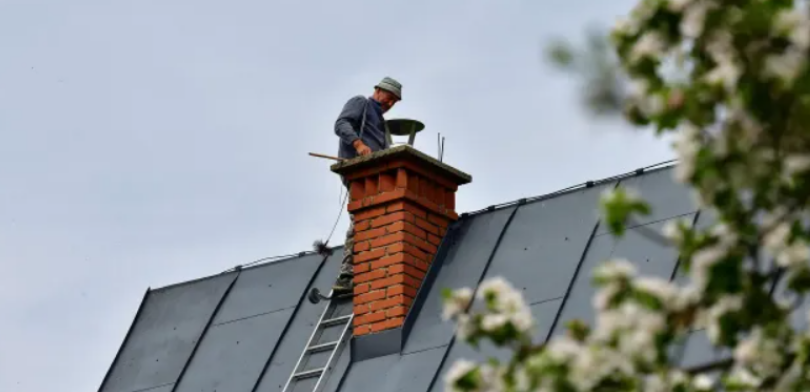
This blog explains how often you should inspect your chimney in Texas, why inspections matter, and what problems they help prevent.
Why Chimney Inspections Matter in Texas
Texas weather is unpredictable. One month you’re dealing with heavy rain and hail, and the next you’re facing dry heat and strong winds. These conditions affect both masonry chimneys and prefab/electric fireplace systems.
What a Chimney Inspection Helps Prevent
- Water infiltration and moisture damage
- Cracked mortar joints
- Damaged chimney crowns
- Rusted dampers
- Blocked flues
- Animal intrusion
- Fire hazards caused by creosote buildup
Regular inspections ensure your chimney stays safe, efficient, and storm‑ready.
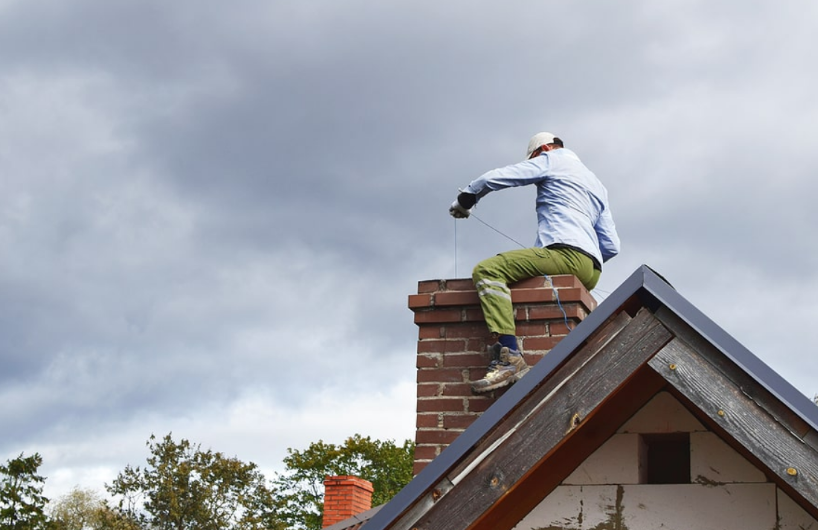
How Often Should You Inspect Your Chimney in Texas?
Annual Inspection: The Standard Recommendation
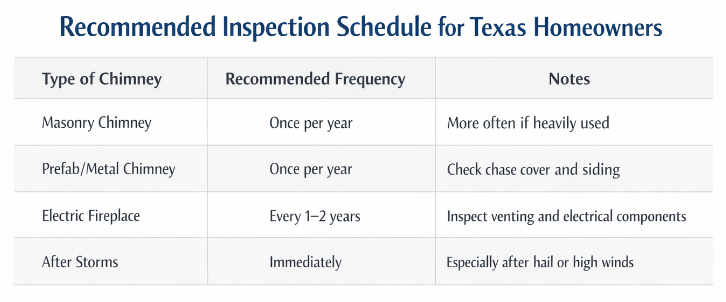
The National Fire Protection Association (NFPA) recommends that all chimneys, fireplaces, and vents be inspected at least once a year, regardless of how often you use them.
In Texas, this recommendation is even more important due to:
- High humidity
- Sudden storms
- Strong winds
- Temperature fluctuations
- Seasonal use of fireplaces
Even if you only use your fireplace a few times a year, moisture and weather exposure can still cause damage.
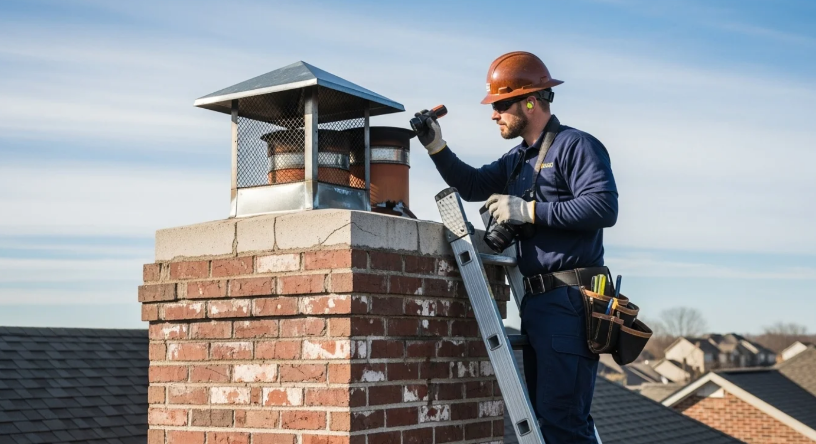
Bi‑Annual Inspections for High‑Use or Older Chimneys
If you use your fireplace frequently during winter or have an older chimney, consider two inspections per year:
- One before the cold season
- One after storm season
This helps catch early signs of deterioration, especially in chimneys with aging mortar or older metal components.
Immediate Inspection After Severe Weather
Texas storms can be intense. After events like:
- Hailstorms
- High winds
- Heavy rain
- Hurricanes or tropical storms
…it’s smart to schedule a chimney inspection. Storms can damage chimney caps, flashing, crowns, and siding—leading to leaks and structural issues.
What Happens During a Professional Chimney Inspection?
H3: Level 1 Inspection (Most Common)
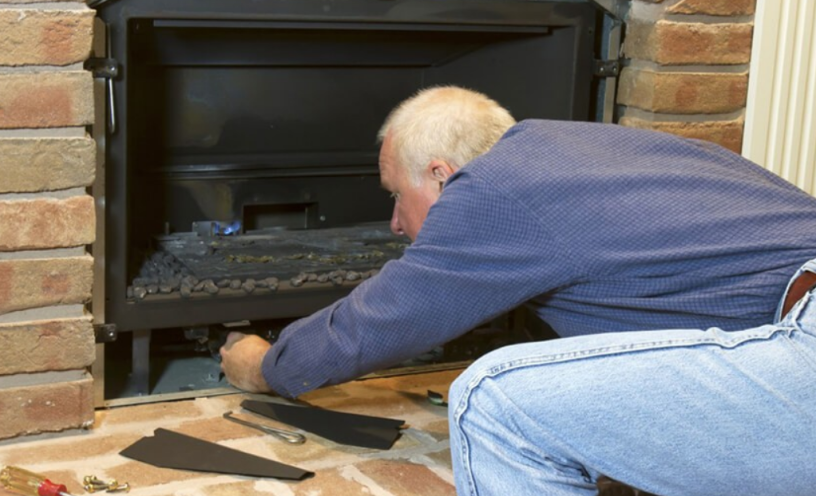
A basic visual inspection of:
- Chimney exterior
- Firebox
- Damper
- Flue
- Chimney cap
- Crown
- Flashing
This is ideal for annual maintenance.
H3: Level 2 Inspection (Recommended After Storms or Modifications)
Includes everything in Level 1 plus:
- Video camera inspection of the flue
- Examination of attic, crawl spaces, and chimney chase
- Review after major weather events or home renovations
This level is essential if you suspect water damage or structural issues.
H3: Level 3 Inspection (Structural Concerns)
Used when serious damage is suspected. May require removing parts of the chimney or walls to assess hidden issues.
Signs Your Chimney Needs an Inspection Sooner
Even if it hasn’t been a year, call a professional if you notice:
- Water stains on walls or ceilings near the chimney
- Musty odors
- Crumbling mortar
- Rust on the damper
- Smoke entering the room
- Loose or missing chimney cap
- Animals or debris in the flue
These symptoms often indicate moisture infiltration or structural deterioration.
How Regular Inspections Prevent Costly Damage
Protecting Against Moisture
Texas humidity and storms can cause:
- Cracked mortar joints
- Spalling bricks
- Damaged chimney crowns
- Mold growth
- Rusted metal components
Services like Chimney Tuck Pointing, Chimney Concrete Crown Repair, and Chimney Metal Flashing Repair often become necessary when inspections are skipped.
Preventing Fire Hazards
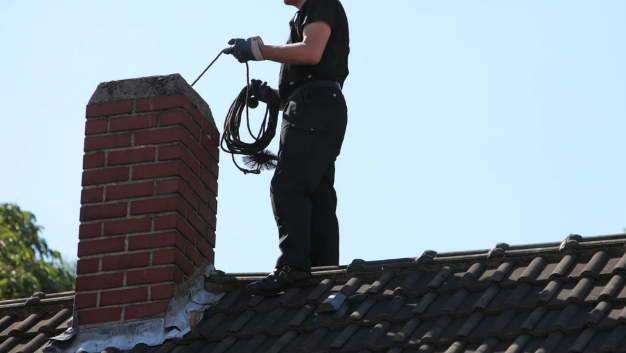
Creosote buildup is a major cause of chimney fires. Annual inspections combined with a Chimney Sweep Service keep your fireplace safe and efficient.
Extending the Life of Your Chimney
Whether you have a marble fireplace, electric fireplace, or traditional masonry chimney, inspections help identify small issues before they become expensive repairs.
Recommended Inspection Schedule for Texas Homeowners
Keep Your Chimney Safe With Instant Chimney
At Instant Chimney, we provide comprehensive chimney services across Texas, including:
- Chimney Sweep Service
- Fireplace Restoration
- Fireplace Damper Repair
- Chimney Tuck Pointing
- Chimney Metal Flashing Repair
- Chimney Hardie Plank Siding
- Chimney Concrete Crown Repair
- Chimney Cap Replacement
- Chimney Chase Cover Installation
Regular inspections protect your home, improve safety, and extend the life of your chimney system.


