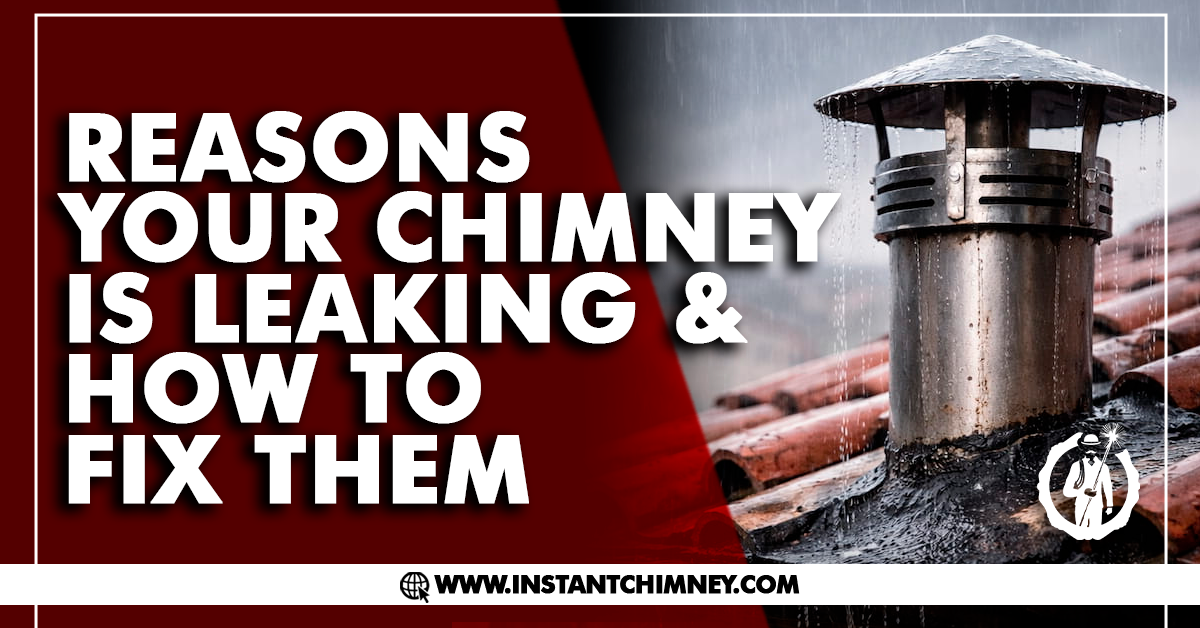
A leaking chimney is a homeowner’s quiet nightmare. It often starts with a subtle, musty odor or a tiny water spot on the ceiling, but if left unaddressed, water infiltration can threaten your home’s structural integrity, rot framing wood, and ruin interior ceilings or walls.
1. Rusted or Warped Chase Covers
The Culprit: Sagging Metal on Prefabricated Chimneys
If your home features a prefabricated or manufactured chimney system, it is likely topped with a flat piece of metal called a chase cover. Standard factory-installed galvanized metal covers frequently rust through or warp within 5 to 10 years, allowing puddles of water to collect and eventually leak straight through the rust holes.
The Fix: Chimney Chase Cover Restoration/Installation
Upgrading your system with a custom Chimney Chase Cover Restoration/Installation using heavy-gauge stainless steel ensures that water drains off the top efficiently without ever rusting through again.
2. Failing Metal Flashing at the Roofline
The Culprit: The Intersection Vulnerability
Flashing is the sheet metal configuration installed where your chimney penetrates your roofline. It acts as a waterproof seal between two completely different materials (masonry and roofing shingles). If the sealant dries out, or the metal rusts and pulls away from the wall, massive amounts of rainwater will run straight into your attic and down your drywall.
The Fix: Chimney Metal Flashing Repair
A professional Chimney Metal Flashing Repair involves replacing old, compromised aluminum or galvanized metal with custom-bent flashing, sealed tightly into the mortar joints to create a completely watertight barrier.
3. Damaged or Aging Exterior Siding
The Culprit: Wood Rot and Structural Leaks
Many modern chimneys are framed with wood and wrapped in architectural siding rather than traditional brick. Over time, standard wood siding can rot, warp, or crack, letting water penetrate the chimney’s internal framework. This can even cause moisture damage around sealed electric fireplaces installed against exterior walls.
The Fix: Chimney Hardie Plank Siding Installation
Replacing failing wood panels with Chimney Hardie Plank Siding provides an ultra-durable, fiber-cement upgrade that mimics the look of wood but resists rot, pests, and severe weather for decades.
4. A Faulty or Broken Fireplace Damper
The Culprit: Condensation and Cold Drafts
Your throat or top-mount damper controls the airflow out of your chimney. If the damper is rusted, broken, or fails to seal completely when closed, moisture-laden air can travel down the flue, causing condensation to build up along the colder interior walls of your fireplace.
The Fix: Fireplace Damper Repair
Investing in a Fireplace Damper Repair or upgrading to a top-sealing energy damper ensures a tight, rubber-gasket seal that keeps external humidity, rain, and drafts completely out of your living space.
5. Absence of a Flue Liner or Cracked Liner Tiles
The Culprit: Internal Condensation and Hidden Leaks
When gas or wood appliances burn, they produce hot flue gases containing high amounts of moisture. If your chimney liner is cracked or missing entirely, this hot moisture condenses directly onto the cold inside of the brick walls. The water then soaks completely through the brickwork, appearing as stains on the interior walls of your rooms.
The Fix: Chimney Sweep & Fireplace Restoration
A thorough assessment via a professional Chimney Sweep Service can identify liner defects. From there, a comprehensive Fireplace Restoration protocol can replace or repair the internal lining system, keeping dangerous gases and moisture safely contained.
6. Porous Masonry and Lack of Waterproofing
The Culprit: Absorption Like a Sponge
Bricks and mortar are inherently porous materials. During prolonged, heavy downpours, a chimney can absorb water like a massive sponge. Once the masonry reaches total saturation, water begins leaking right through to the interior of your home, even if your flashing and cap are in perfect condition.
The Fix: Professional Waterproofing
After checking the structural integrity of your system, applying a professional-grade, breathable chimney water repellent ensures that water beads up and rolls away without getting trapped inside the brickwork.
Don’t Wait Until a Leak Causes Costly Structural Damage
Chimney leaks never resolve on their own; they only grow more expensive over time. Identifying the exact entry point requires a trained eye, professional equipment, and specialized safety gear.
At Instant Chimney, we handle everything from basic maintenance to heavy-duty structural reconstruction. Our expert crew specializes in keeping your home dry, warm, and secure.