Severe storms, high winds, heavy rain, and hail take a heavy toll on your home’s exterior. While it is easy to check your yard for fallen tree branches or look for missing roof shingles, one critical area often gets overlooked: your chimney.
Because your chimney stands high above your roofline, it absorbs the full impact of severe weather. Ignoring post-storm chimney damage can lead to sudden roof leaks, water saturation, and expensive structural failures.
Here is a step-by-step checklist of what to inspect on your chimney after a major storm.
1. Ground-Level Visual Inspection: Exterior Masonry & Siding
Never climb onto a wet roof after a storm. You can perform a thorough initial check safely from the ground using a pair of binoculars.
Look for Cracked Bricks and Crumbling Mortar
Driven rain and high winds can shatter weakened brickwork or strip away loose mortar joints. Look up at the masonry structure to see if any bricks are chipped, tilted, or missing.
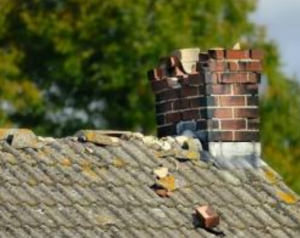
The Fix: If high winds or heavy rains have cracked your mortar, scheduling a professional Chimney Tuck Pointing service will replace the damaged joints and prevent moisture from penetrating your home’s structure.
Check Siding and Framing Panels
If your chimney structure is framed with exterior wood or composite siding rather than brick, inspect the panels for warping, detachment, or rot caused by wind-driven rain. If your panels are peeling away, upgrading to ultra-durable Chimney Hardie Plank Siding will protect your internal chimney framework from future storm damage.
2. Check the Roofline and Flashing Seals
The area where your chimney meets your roof is one of the most common leakage points in a home.
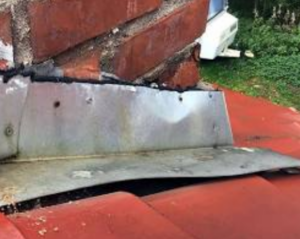
Watch for Lifted Metal Flashing
Severe gusts of wind can easily lift, bend, or peel away the metal flashing strips sealed along your roof line. Once flashing is loose, rainwater runs straight down your roof and into your attic framing and ceiling drywall.
Inspect Sealants and Tar
Heavy rain can wash away old, cracked caulking around your chimney seals. If you notice damp spots on the ceiling or attic walls near your chimney after a downpour, you likely need an immediate Chimney Metal Flashing Repair to restore a watertight barrier.
3. Inspect the Top of the Chimney (The Crown, Cap, and Chase Cover)
The very top of your chimney receives the direct impact of hail, falling tree limbs, and strong updrafts during a storm.
Look for Missing or Bent Chimney Caps
Strong winds can blow off an ill-fitted chimney cap, while falling branches can crush it. If your cap is gone or damaged, rain and debris will pour straight into your flue liner. A fast Chimney Cap Replacement is essential to restore your top shield.
Inspect Prefabricated Chase Covers and Crowns
For prefabricated chimneys, high winds can dent flat metal top covers, causing water to pool and rust through the metal. A professional Chimney Chase Cover Restoration/Installation ensures proper drainage. For traditional brick chimneys, hail can shatter the concrete pad at the top, requiring a Chimney Concrete Crown repair to prevent water from soaking into the inner brick walls.
4. Indoor Inspection: Firebox, Damper, and Attic
After checking the exterior, move inside your home to inspect the hearth and internal components.
Look for Water in the Firebox
Open your fireplace doors or screen and look inside with a flashlight. If you see standing water, damp ashes, or water trickling down the back wall, you have an active leak at the roofline or top flue.
Test Your Damper Mechanism
Rust and debris dislodged by wind can jam your damper handle. Test the mechanism to ensure it still opens and closes smoothly. If your damper is stuck wide open or rusted shut from storm moisture, a certified Fireplace Damper Repair or top-mount upgrade will restore draft control and seal out outdoor weather.
Don’t Let Storm Damage Ruin Your Home: Call Instant Chimney
Detecting subtle storm damage early is the best way to prevent thousands of dollars in water damage repairs down the road.
At Instant Chimney, our expert team provides comprehensive post-storm inspections, routine care via our Chimney Sweep Service, and full structural repairs, including complete Fireplace Restoration. We keep your home safe, dry, and protected against any weather.