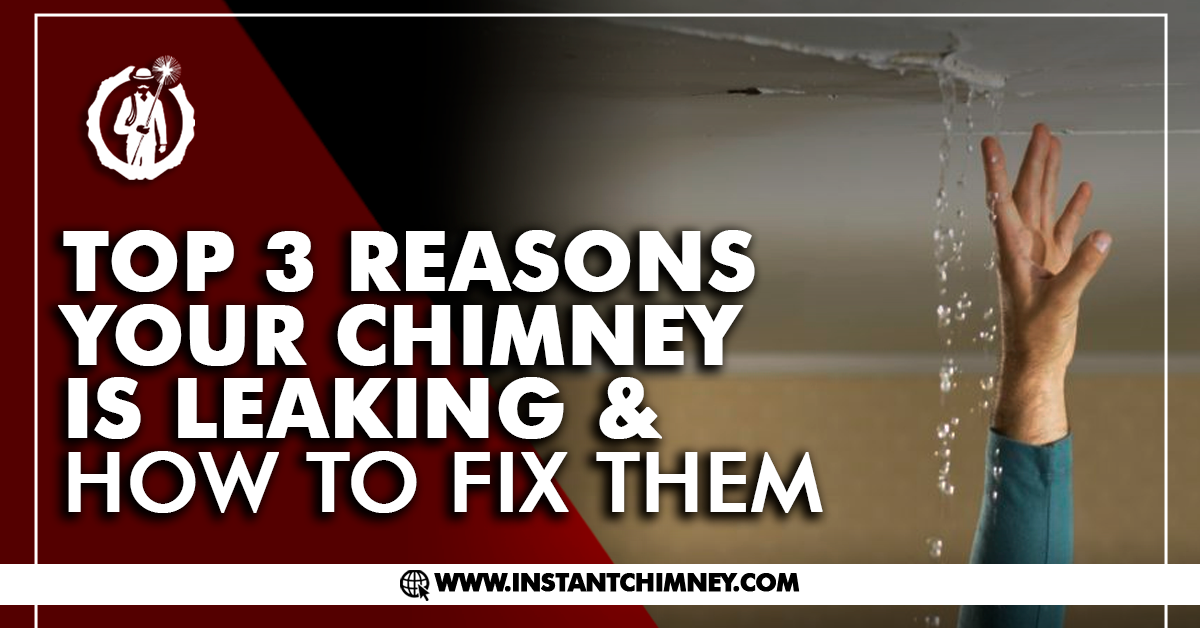
A leaking chimney is a homeowner’s quiet nightmare. It often starts with a subtle, musty odor or a tiny water spot on the ceiling, but if left unaddressed, water infiltration can threaten your home’s structural integrity, rot framing wood, and ruin interior ceilings or walls.
Whether you own a traditional brick chimney, a luxury marble fireplace, or a modern electric fireplace setup, water is the ultimate enemy. Understanding where the water is coming from is the first step to stopping it.
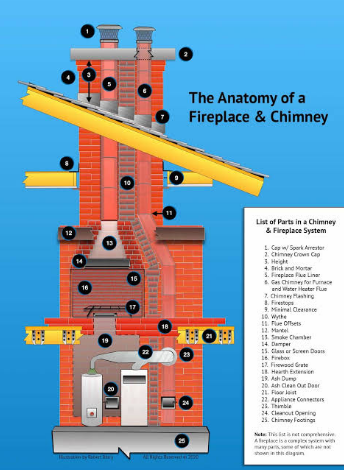
The diagram below highlights the main components of a standard chimney structure so you can easily visualize where these common leaks tend to develop.
Here are the top 9 reasons your chimney is leaking and exactly what needs to be done to fix them.
1. A Damaged or Missing Chimney Cap
The Culprit: Open Invitation for Rain
The chimney cap sits at the very top of your flue. Its primary job is to act as an umbrella, keeping rain, snow, and wildlife from dropping straight down into your fireplace. If your cap is cracked, rusted out, or missing altogether after a severe storm, water will enter the flue directly.
The Fix: Chimney Cap Replacement
The solution is a professional Chimney Cap Replacement. Installing a high-quality stainless steel or copper cap prevents direct water entry while allowing smoke and combustion gases to vent safely.
2. Cracked Chimney Concrete Crown
The Culprit: Wear and Tear at the Top
The chimney crown is the concrete slab that covers the top of your chimney masonry around the flue. Because it is constantly exposed to freezing and thawing cycles, the concrete will eventually shrink, crack, and break apart. Once water seeps into these cracks, it works its way down into the inner brickwork.
The Fix: Chimney Concrete Crown Repair or Replacement
Small fractures can sometimes be sealed with a waterproof membrane, but heavily deteriorated crowns require a full Chimney Concrete Crown reconstruction. This creates a solid, sloped barrier that sheds water away from the masonry.
3. Deteriorated Mortar Joints (Spalling Masonry)
The Culprit: Porous Bricks and Failing Mortar
While bricks are tough, the mortar holding them together softens over time due to weather exposure. When mortar cracks, water enters and undergoes freeze-thaw expansion, causing the bricks to flake or pop out—a process called spalling. This can happen to any exterior masonry, including the structural supports of high-end custom stone or marble fireplaces.
The Fix: Chimney Tuck Pointing
To fix this, we perform Chimney Tuck Pointing. This delicate masonry process involves routing out the damaged, failing mortar and replacing it with fresh, color-matched mortar compounds to restore structural stability and water resistance.
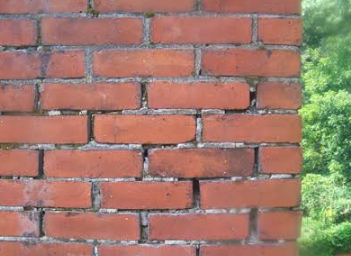
Deteriorated Mortar Joints. Source: Hudson Valley Chimney
Don’t Wait Until a Leak Causes Costly Structural Damage
Chimney leaks never resolve on their own; they only grow more expensive over time. Identifying the exact entry point requires a trained eye, professional equipment, and specialized safety gear.
At Instant Chimney, we handle everything from basic maintenance to heavy-duty structural reconstruction. Our expert crew specializes in keeping your home dry, warm, and secure.