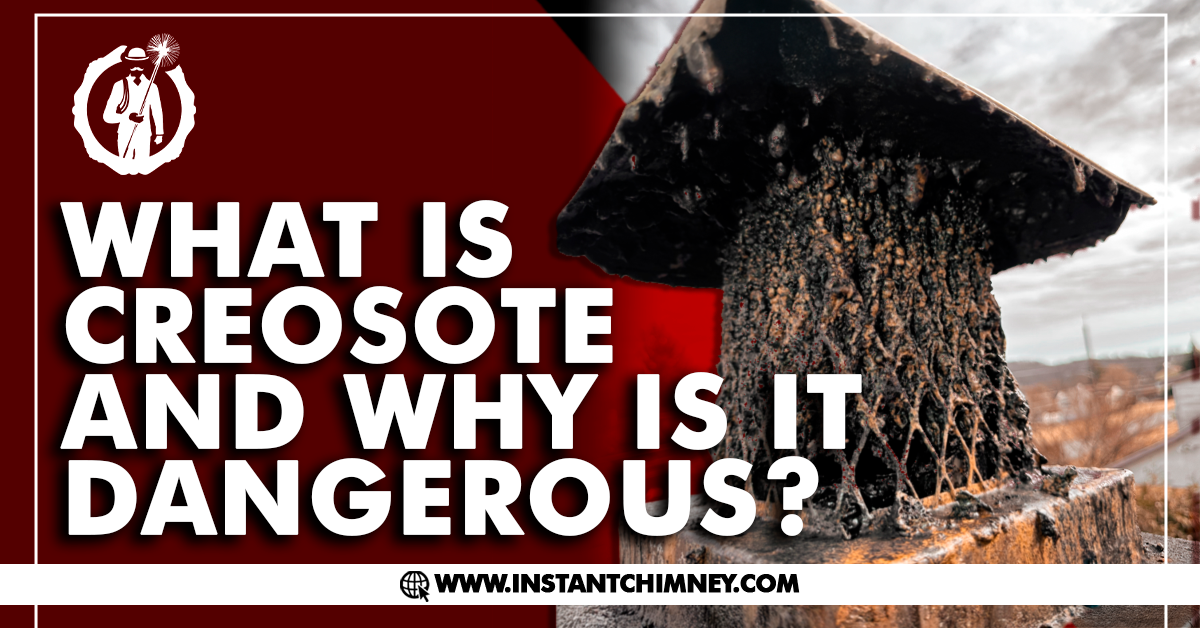
Creosote is one of the most common and hazardous byproducts found inside chimneys. Whether you own a traditional wood‑burning fireplace, a gas unit with a venting system, or a decorative marble chimney, understanding what creosote is; and why it forms, is essential for keeping your home safe. Many homeowners don’t realize how quickly creosote can accumulate or how dangerous it becomes when ignored. This guide explains everything you need to know, including how Instant Chimney can help protect your home with professional maintenance and repair services.
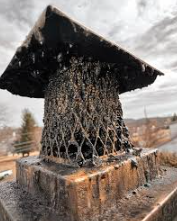 Understanding Creosote in Residential Chimneys
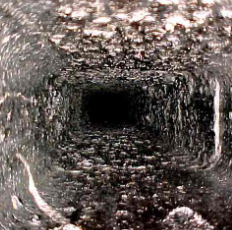
Creosote is a dark, tar‑like substance that forms when wood burns. As smoke travels up the chimney, it cools and condenses on the interior walls, leaving behind layers of residue. Over time, this residue hardens and becomes increasingly difficult to remove.
Creosote is especially common in chimneys that are not cleaned regularly, have poor ventilation, or burn unseasoned wood. Even small amounts can create serious risks.
How Creosote Forms Inside Your Chimney
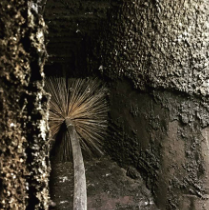 Stage 1: Soot and Flaky Residue
This early stage is powdery and easy to remove. It forms when smoke cools quickly and sticks to the chimney walls.
Stage 2: Sticky, Tar‑Like Deposits
As buildup continues, creosote becomes thicker and stickier. This stage is more difficult to clean and requires professional tools.
Stage 3: Hardened, Glazed Creosote
This is the most dangerous form. It becomes a hard, shiny coating that is extremely flammable and requires specialized removal techniques.
Why Creosote Is Dangerous for Your Home
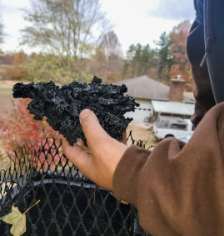
1. High Risk of Chimney Fires
Creosote is highly combustible. When temperatures rise inside the chimney, even a small spark can ignite the buildup. Chimney fires can spread rapidly, damaging the chimney structure and potentially reaching the attic or roof.
2. Blocked Airflow and Poor Ventilation
Thick creosote restricts airflow, causing smoke to back up into the home. This can lead to:
- Eye and throat irritation
- Strong odors
- Inefficient burning
In severe cases, it can contribute to carbon monoxide buildup.
3. Structural Damage to the Chimney
 Creosote absorbs moisture, which accelerates deterioration of:
- Mortar joints
- Brickwork
- Metal components
- Concrete crowns
Over time, this can lead to cracks, leaks, and costly repairs.
4. Increased Wear on Fireplace Components
Dampers, fireboxes, and liners can corrode or warp due to creosote exposure, reducing the lifespan of your fireplace system.
Signs Your Chimney Has Creosote Buildup
- Strong, smoky or tar‑like odors
- Black, flaky residue falling into the fireplace
- Difficulty starting fires or keeping them lit
- Thick, dark deposits visible inside the flue
- Reduced airflow or smoke entering the room
- Damper that sticks or becomes hard to open
If you notice any of these signs, it’s time for a professional inspection.
How to Prevent Creosote Buildup
 Burn Only Dry, Seasoned Wood
Wet or green wood produces more smoke and accelerates creosote formation.
Ensure Proper Ventilation
A well‑functioning damper and chimney cap help maintain airflow and reduce condensation.
Schedule Annual Chimney Sweep Services
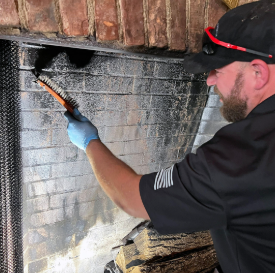
Professional cleaning removes creosote safely and prevents dangerous buildup.
Avoid Slow, Smoldering Fires
Low‑temperature fires create more smoke, which leads to faster creosote accumulation.
How Instant Chimney Helps Protect Your Home
Instant Chimney offers complete chimney care to prevent and remove creosote buildup:
- Chimney Sweep Service to remove soot, creosote, and blockages
- Fireplace Restoration for damaged or outdated systems
- Fireplace Damper Repair to improve airflow and reduce smoke
- Chimney Tuck Pointing to restore deteriorated mortar joints
- Chimney Metal Flashing Repair to prevent water infiltration
- Chimney Hardie Plank Siding for durable exterior protection
- Chimney Concrete Crown Repair/Replacement
- Chimney Cap Replacement to keep out rain, debris, and animals
- Chimney Chase Cover Installation/Restoration for prefabricated chimneys
Our team works with all types of chimneys, including marble fireplaces, electric fireplaces, and traditional wood‑burning systems.


