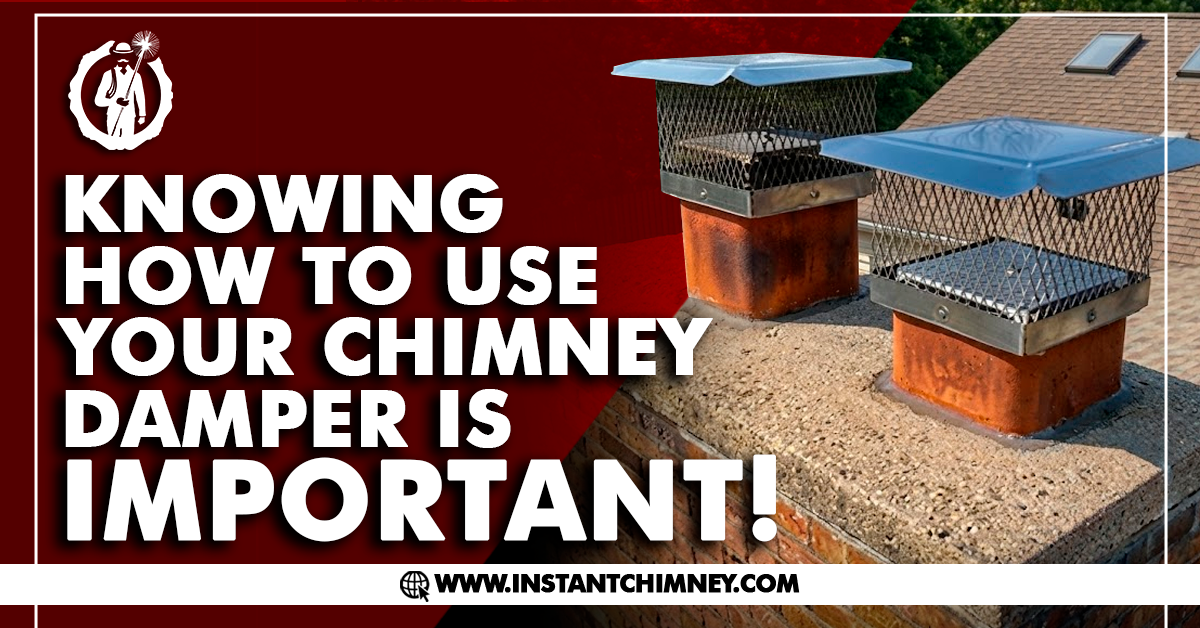
For many homeowners, the fireplace is the cozy centerpiece of the living room. However, managing it properly involves more than just lighting a match. There is a small, critical component that holds the key to your home’s safety and energy efficiency: the chimney damper.
Knowing how to use your chimney damper correctly is vital. Operating it improperly can ruin your indoor air quality, skyrocket your heating bills, and cause hidden structural damage.
What is a Chimney Damper and Why Does It Matter?
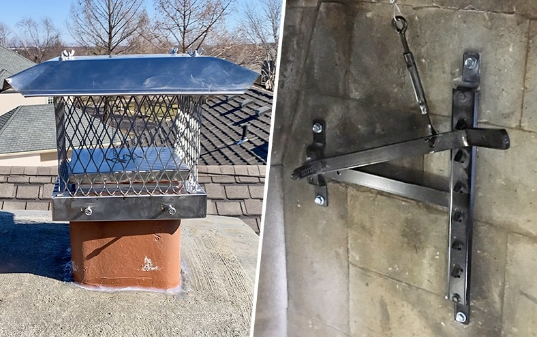
Think of your chimney damper as a valve or a door inside your flue. Positioned either just above the firebox or at the top of the chimney, its job is to seal the flue when the fireplace is idle and regulate airflow when a fire is burning.
Whether you have a traditional wood-burning hearth, a luxury marble fireplace, or a modern electric fireplace setup, managing airflow and draft is essential for three main reasons:
1. Preventing Toxic Smoke and Fumes
The most dangerous mistake is forgetting to open the damper before lighting a fire. A closed damper forces toxic smoke, soot, and dangerous carbon monoxide straight into your living room. Opening it completely ensures a strong upward draft.
Pro Tip: If your damper is wide open but smoke still backs up, you likely have a dangerous creosote or wildlife blockage that requires an immediate Chimney Sweep Service.
2. Stopping Energy and Financial Waste
When your fireplace is completely cold, an open damper is essentially a wide-open window. In the winter, your expensive heated indoor air escapes straight up the flue. In the summer, your air-conditioning drafts out. Keeping the damper tightly closed when not in use acts as a thermal seal that keeps your utility bills in check.
3. Avoiding Severe Moisture Damage
A broken or warped damper allows outside moisture to seep down your chimney. When water mixes with leftover soot, it creates a highly corrosive acid that eats away at your internal brickwork.
Over time, this moisture damage spreads, requiring expensive structural interventions like Chimney Tuck Pointing to fix failing mortar joints, a full Chimney Concrete Crown reconstruction, or a premium Chimney Cap Replacement to stop the water source.
How to Operate Your Damper Like a Pro
To maximize safety and efficiency, follow this simple protocol:
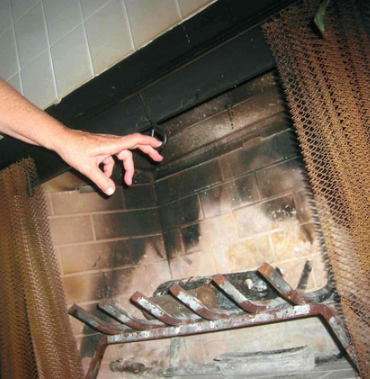
- Before Lighting: Open the damper 100%. Look up into the firebox with a flashlight to physically verify the metal plate is flipped wide open.
- While Burning: Once the fire is stable, you can slightly adjust the damper handle to slow the burn rate, keeping more heat inside the room.
- After Extinguishing: Wait until the embers are completely cold (usually the next morning). Then, close the damper tightly to seal your home off from the outside weather.
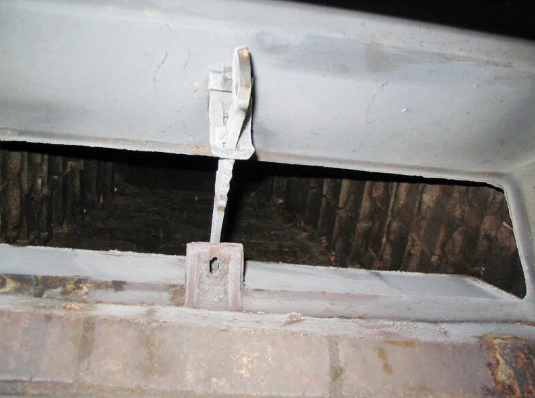
Signs Your Damper is Broken and Needs Repair
Because dampers are exposed to intense heat and soot, they eventually wear out. Watch out for these common warning signs:
- The lever is stuck: You cannot physically push, pull, or turn the handle.
- Persistent drafts: You feel a constant cold breeze or hear rattling coming from the fireplace.
- Rust flakes: Visible rust falling into the firebox means the metal plate is corroding and failing.
The Professional Fix
A warped or rusted damper plate cannot properly regulate drafts. When this happens, you need a professional Fireplace Damper Repair or a top-mount replacement to restore total control.
Furthermore, if leaking water has already compromised your chimney’s exterior due to draft issues, our crew can address the root cause with a Chimney Metal Flashing Repair at the roofline or by upgrading your exterior with durable Chimney Hardie Plank Siding.
Protect Your Home with Instant Chimney
Mastering your damper is the easiest way to enjoy a safer, warmer home. If your damper is stuck, rusted, or failing to seal out the elements, Instant Chimney is here to help.
From basic maintenance to installing heavy-duty Chimney Chase Covers, we provide the expert solutions you need to keep your fireplace running flawlessly.